




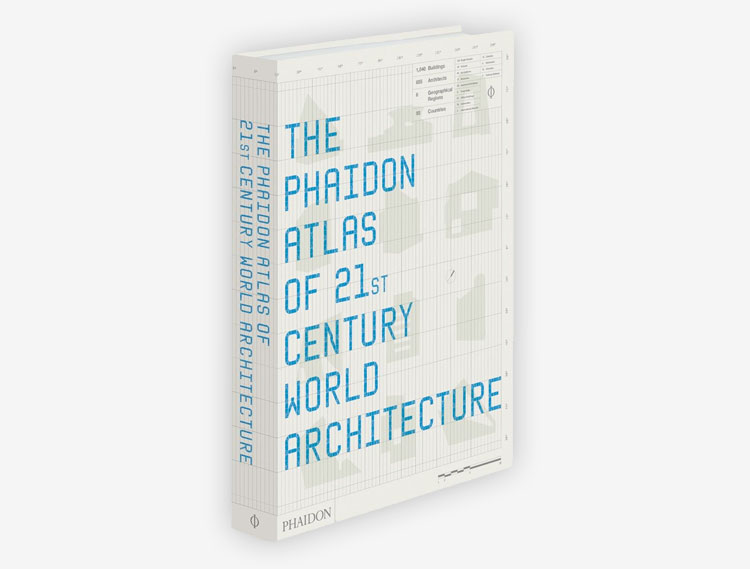
 The book’s contents are divided into six regions, with an overview of local and global trends. There is also room for emerging talents amidst the names of the above-mentioned international architectural masters.The excellent photographs included in this book take us inside the buildings to appreciate the details that make them deserving of inclusion in this monograph. Short essays about these fascinating structures accompany the graphics. These brief descriptions shed light on important aspects of each property, including construction cost, client name and geographical coordinates. In addition, Phaidon offers references that link different projects to help locate other buildings by the same architect included in the book.
Why a particular building, and not another? Who decided which structures should be included? The process was carried out through a very rigorous selection from a panel of expert advisors and specialists in each region of the world.
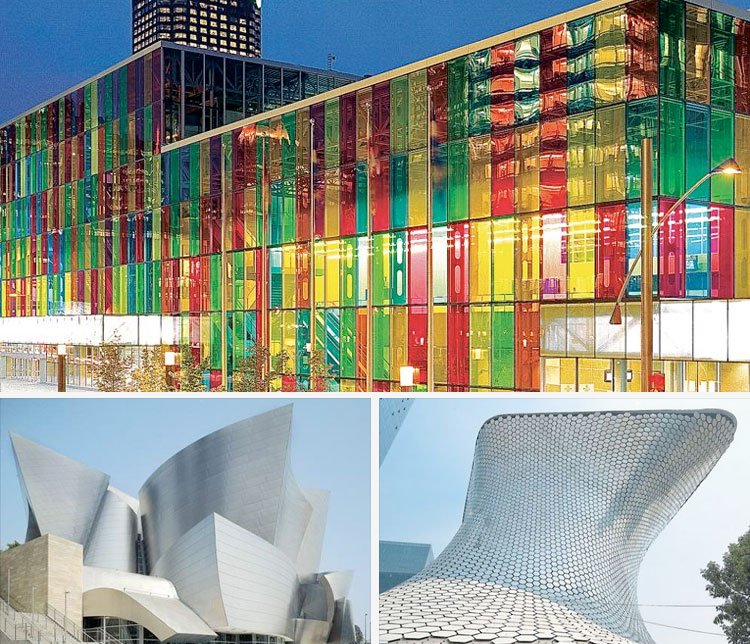
This book will take you to Japan, with the largest number of architects per capita, where you will admire the work of Tadao Ando, Fumihiko Maki and Toyo Ito. Or to Europe, particularly Switzerland to view the work of Peter Zumthor and Herzog & De Meuron, or the Netherlands, with the third-largest number of architects per inhabitant after Japan and Switzerland.
We’ll finish this tour with another game: think of places where you have traveled since the year 2000, and see if you visited the area’s most emblematic buildings. Six geographic regions, 89 countries, 1,037 buildings; 653 architects in 800 pages: this is Phaidon’s Atlas of 21st Century World Architecture. ■
Related Articles:
Luxury Homes In Tuscany: Castello Di Casole
